
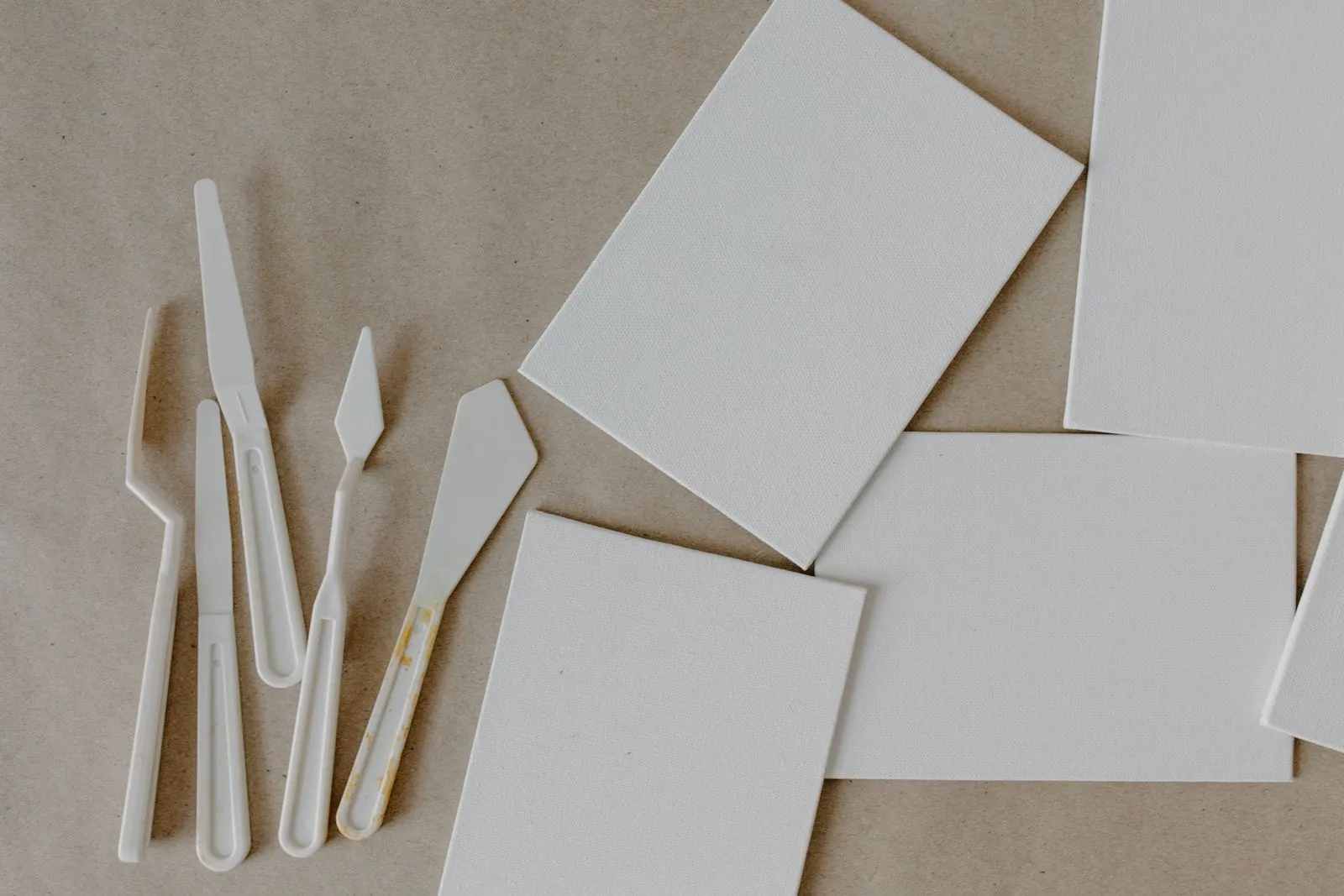
The right lino block makes carving more comfortable and helps you get the kind of print you want. Traditional lino, softer carving blocks, and mounted options each behave differently under a tool. Before choosing, consider how much detail your design needs, how firm a surface you prefer, and whether your existing tools will work well with it. A little planning can help you avoid a block that feels difficult or limits your design.
Compare Common Block Types
Traditional linoleum is a firm, dense surface often sold on a backing. It holds clean edges and can suit designs with fine lines, but it may take more pressure to carve, especially when cool. Many printmakers warm it slightly before working to make it more pliable. Check that the surface is flat and in good condition before transferring your design.
Soft-cut blocks are made from softer materials designed for easier carving. They can be a comfortable starting point if you are new to relief printing or working on a larger design. The softer surface may compress under a tool, so very small marks can be less crisp than they are in firmer lino. Test a small cut before committing to a detailed image.
Match the Block to Your Detail
For fine lines, narrow gaps, and small lettering, choose a block that holds its shape as you carve. A firmer traditional lino surface can support precise cuts, though it requires steady control and suitable sharp tools. Keep the design simple enough for the block’s scale; tiny shapes are harder to carve cleanly and may fill with ink during printing.
For bold shapes, broad lines, and beginner practice, a softer block can make carving more manageable. It is also useful when you want to explore a design without spending as much effort removing material. If your image combines broad areas with fine details, try the design on a small test piece first to see whether the surface preserves the narrowest marks.
Check Your Tools and Setup
Look at the handles and blades you already own before buying a block. U-shaped and V-shaped gouges suit different cuts, while a sharp blade is important on any surface. Softer blocks may feel easier with small tools, but a firm block can need a secure grip and controlled pressure. Avoid forcing a tool; it can slip or remove more material than intended.
Consider block thickness and backing as well as the carving surface. A mounted block may feel stable on a table and can be convenient if you print by hand. An unmounted sheet may need a non-slip mat or another way to keep it from shifting. If you use a press, check the block’s dimensions and thickness against the space and setup you have.
Choose for the Project
Start with the print you want to make. Select a softer block for approachable practice and broad designs, or consider traditional lino when you need a firm surface for controlled detail. For repeated prints, also think about how the block will handle inking, cleaning, and storage. A test print can reveal whether your carved lines hold ink as expected.
If you are unsure, buy a small piece or use an offcut to test your tools and carving pressure. Make a few cuts, ink the surface, and print on the paper you plan to use. This quick trial shows how the block responds before you invest time in a larger design.
Choose a lino block by balancing carving comfort, the detail in your design, and the tools and printing setup you already have. Testing a small piece is a reliable way to compare surfaces before starting a finished image. Cambridge Print Supply can help you explore suitable printmaking materials for your next project.